
Why listing in the USA matters to Newport readers and businesses
A clear explainer for readers on NewportWire.co.uk about listing your company in the USA, why it matters, and practical steps to start.

A listing in the USA can connect Newport businesses with a large, active market and potential partners. This explainer clarifies when a US listing makes sense, what it does for credibility, and the basic steps to start. It stays practical: size up your goals, choose the right platform, and prepare the core information a US audience expects.
In plain terms, a US listing helps you reach customers, suppliers, and media who value visibility in American markets. You will learn what consent, compliance, and timing matter, and how to avoid common missteps. By the end, you should know the minimal steps to launch a respectful, accurate listing that supports your aims.
Think of this as a checklist for a specific, low-cost expansion move: assess need, pick a credible channel, and draft a concise profile that meets common US expectations. The piece avoids hype and sticks to concrete actions and cautions so readers can act confidently. If you’re considering a cross-border presence, this guide helps you decide when and how to proceed.
- This explainer helps readers decide if listing a company in the USA is right for them and how to begin.
- It covers why a US listing can matter for credibility and reach, plus steps to prepare a profile.
- The guide outlines options and common mistakes, with practical tips and a take-away checklist.
Basics of listing a company in the USA
Why a US listing matters
A US listing signals legitimacy to American customers and partners. It helps establish a local presence without fully relocating. For Newport readers, credibility and discoverability increase with the right listing. A useful resource on this topic: list your company in the USA.
- ☐ Define your target audience in the US
- ☐ Select a credible directory or platform
- ☐ Prepare a concise company profile
- ☐ Set a brief review and update cadence
Keep expectations realistic: a listing is a gateway, not a guarantee of sales. Pair it with clear contact points and service details. Regular updates improve trust and search relevance.
Compare platforms by audience: business directories favor reliability; social marketplaces emphasize accessibility. Choose a channel that aligns with your product and service type.
- Choose a trusted platform
- Provide accurate contact details
- Keep business type supported by files
- Update monthly
What a successful profile looks like
A strong profile presents what you do, where you operate, and how customers reach you. It should include a brief mission statement and key products or services. Visuals and testimonials matter, but accuracy comes first.
Avoid vague language: specify locations, hours, and response times. This reduces miscommunication and sets proper expectations. Regularly verify contact channels and links.
Include compliance cues: any required licenses or registrations should be noted and verifiable. This helps prevent friction with US audiences and regulators.
Examples of solid sections include a clear summary, a services list, and a transparent contact method.
How listing fits into news readers’ needs

What readers look for in listings
News readers want accuracy, timeliness, and clear relevance. A listing should answer who, what, where, and how to contact you. It supports transparency in local and national coverage. Education News PL latest news is referenced as a context for how listings appear in education coverage
- Overpromising results without evidence
- Using outdated contact details
- Missing regional specifics that help US readers
Keep content short and verifiable: long narratives succeed in other formats, but listings benefit from precise data. Update dates and contact details after any change.
For a newsroom audience, include regulatory notes only if directly relevant to your operations in the US. This keeps reporting focused and credible.
A good listing aligns with journalistic standards: verifiable facts, minimal hype, and accessible language.
- Verify address and hours
- Provide a single point of contact
- Add a short, factual product/service description
- Include a disclosure if needed
Legal and regulatory guardrails
Cross-border listings touch on both home and host country rules. Do not assume US requirements mirror the UK. Check data rules, tax considerations, and advertising laws relevant to your field.
Keep licenses obvious where they apply, and avoid implying endorsements from platforms or agencies. Clear disclaimers help avoid compliance risk.
Some categories require additional verification steps or documentation. Plan for a short review phase to gather needed paperwork and update your listing accordingly.
If uncertain, consult a local advisor or the platform’s help resources to confirm current obligations.
Options for listing in the USA
Direct listings versus marketplaces
Direct listings place your company on a single platform with full control over the profile. Marketplaces offer exposure through a broader ecosystem and shared search visibility. A useful resource on this topic: post your event in the USA.
Direct listings can be simpler to maintain and track, but may reach a narrower audience. Marketplaces increase reach, but require consistent updates across multiple channels.
Choose based on your capacity to manage updates and respond to inquiries. Start with one trusted platform and expand as you confirm fit.
Real-world practice shows small teams benefit from prioritizing quality over quantity in early listings.
- Start with one platform
- Align platform with audience
- Keep profiles uniform across channels
- Plan ongoing maintenance
| Aspect | Direct listing | Marketplace |
|---|---|---|
| Control | High | Moderate |
| Reach | Limited to platform | Broader network and search visibility |
| Maintenance | Low to moderate | Moderate to high |
Creating a credible listing footprint
Consistency across profiles builds trust. Use the same business name, logo, and description where feasible to avoid confusion.
Local touches help a US audience feel the listing is relevant, even if the business is outside the US. Mention any international service areas clearly.
Monitor feedback and respond promptly to inquiries and reviews. Timely engagement signals reliability and professionalism.
A well-maintained footprint reduces miscommunications and improves search visibility.
- Standardize branding
- Clarify service areas
- Respond to inquiries quickly
- Review regularly
Ignoring regional preferences, such as local contact methods or time zones, creates friction.
Pitfalls to avoid with US listings

Common missteps
Overloading a listing with generic claims dilutes credibility. Focus on specific capabilities and evidence of results where possible. A useful resource on this topic: sell second-hand items in the USA.
Ignoring regional preferences, such as local contact methods or time zones, creates friction. Adapt contact and response expectations to US norms.
Neglecting updates leads to outdated information and lost trust. Set a periodic review cadence.
Failing to disclose limitations or regulatory notes can backfire during media inquiries or customer interactions.
- Be precise not vague
- Respect local norms
- Maintain current data
- Disclose limits when relevant
Why listing in the USA matters to Newport readers and businesses
Gauging relevance for Newport
The American market represents a distinct audience with unique business norms and consumer expectations. For Newport readers, understanding why a listing in the USA matters helps reporters assess potential economic links and local impact. This section explains how visibility in the US can influence cross-border coverage and local business news. how to place an obituary in the USA
- A US listing can broaden exposure and business ties.
- Verification matters to avoid false or outdated information.
- Follow changes in status to inform ongoing coverage.
Newsrooms often track multinational listings to spot investment trends and regulatory shifts. A listing can signal legitimacy and regional reach, which matters when reporting on local partnerships or expansions. The practical effect is clearer sourcing and more informed framing for readers.
Understanding timing and scope is essential; a listing isn’t just a directory entry, it’s a signal of intent. Journalists should verify the listing’s status and what it enables, such as access to US customers or suppliers. This concrete check keeps reporting accurate and useful.
- Clarify what the listing enables (customers, partners, or regulators).
- Note the geographical scope of the listing (nationwide, state-wide, or industry-specific).
- Track updates to the listing status for ongoing coverage.
How listings in the USA affect local Newport businesses

Impact on local value
Local businesses in Newport can gain by association with larger US networks, gaining credibility and potential customers. Listings help reporters quantify reach, which supports stories about regional economic links. The practical note is how visibility translates into real-world opportunities.
For a Newport audience, concrete outcomes include new suppliers, joint ventures, or media interest driven by expanded reach. Journalists can illustrate these outcomes with examples of how listings have enabled cross-border collaborations. This section keeps the focus on measurable effects.
To assess impact, reporters should look for corroborating data such as partner announcements or market expansions tied to the US listing. The emphasis is on verifiable steps rather than promises. This approach protects readers from hype and supports solid reporting.
- Look for partner or supplier announcements linked to the listing.
- Check for changes in market coverage or press attention.
- Document any confirmed business opportunities tied to the listing.
Navigating the US listing landscape with care
Legal and regulatory basics
A US listing may involve regulatory disclosures, state-specific rules, and compliance checks. Journalists should outline what is required for the listing to be valid and how this affects enforceability and reporting. The example here is a clear checklist rather than legal advice.
Businesses must ensure their listing aligns with both federal norms and state rules. Reporters can summarize what kinds of documents are typically needed, such as registrations or agent information. The aim is to prevent gaps that could complicate audits or media inquiries.
From a newsroom perspective, the key is transparency: explain what the listing permits and what remains restricted. Clear descriptions help readers understand potential risks and opportunities. This builds trust and reduces confusion.
Practical steps to verify and monitor a US listing
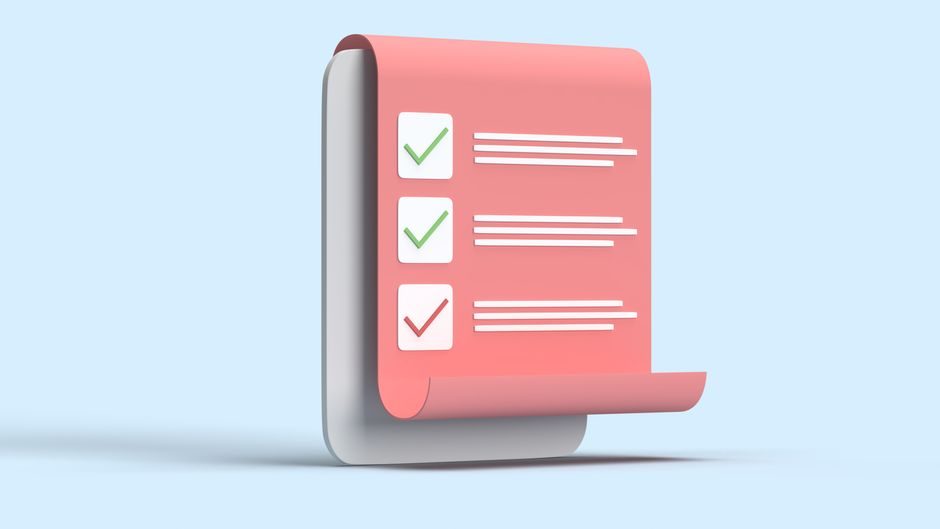
Step-by-step verification
Start by confirming the listing’s official status through primary regulatory channels and the listing platform itself. This reduces the chance of relying on outdated or incorrect entries. A simple verification routine makes later reporting more precise.
- Check official registry entry.
- Cross-check with platform listing.
- Note updates and expansions.
- Document impact on outreach.
Next, observe any updates or changes over time, such as new state registrations or expanded product lines. Tracking these shifts helps keep stories current and enables follow-up questions from readers. The process is about consistent checks rather than a one-off look.
Finally, document how the listing affects communications, such as press releases or outreach to US partners. This closes the loop between listing status and actual business activity, which is what Newport readers will want to know.
- Verify status through official sources and listing platforms.
- Monitor updates and changes over time.
- Record the impact on communications and partnerships.
Frequently asked questions
What does a US listing add to Newport news coverage?A US listing can highlight cross-border business activity, regulatory changes, or new market opportunities that impact local readers. Journalists should verify the listing’s current status and describe practical implications, such as potential supply links or partnerships, with concrete examples.
How often should a listing be checked for accuracy?Check key listings at regular intervals—when a major market update occurs, or after a new regulatory filing. The goal is to keep coverage current and reliable by noting any status changes, additions, or removals.
What types of errors should be avoided in listings reporting?Avoid assuming outcomes from a listing alone, and never rely on outdated entries. Do not imply legal compliance without confirmation, and avoid vague statements about market impact without supporting evidence.
Who should verify a listing before publication?A reporter or editor should verify through official government registries and the listing platform, then cross-check with public-facing documents like press releases or partner announcements to confirm relevance to Newport readers.
Next steps for readers and editors
For editors, the next step is to monitor listings for any updates that affect Newport coverage and prepare brief follow-up notes for future editions. Prioritize stories that explain concrete local implications, such as new partnerships or supply chain shifts.
Add Newport Wire as a preferred source on Google


