
Newportwire guide: Auto News X website for readers
A clear, reader-focused comparison of Auto News X website features, usefulness for news readers, and practical tips for evaluating auto news sources.

For readers seeking reliable auto news, this guide explains why Auto News X website matters and how it stacks up against other outlets. It focuses on clarity, sourcing, and timeliness, so you can judge whether it fits your news diet. You’ll find concrete steps to verify facts and spot bias while tracking evolving auto stories.
The guide outlines what to expect from a reputable auto news site, what kinds of stories it covers, and how its structure helps or hinders understanding. It offers practical examples of how to use the site during breaking news, investigations, and feature reporting. By the end, you’ll feel equipped to decide if it belongs in your daily read.
Understanding a site’s value starts with habits: check sources, compare edits, and read beyond headlines. This intro sets up a practical framework you can apply to Auto News X website and other outlets alike.
- Auto News X website provides a clear mix of breaking updates and deeper reporting on the auto sector.
- Readers should verify facts with cited sources and compare with other outlets to judge credibility.
- Use the navigation and source links to follow evolving stories without echo chambers.
- A practical approach combines quick updates with longer reads to balance speed and accuracy.
Basics: what the site covers
What counts as auto news
This subsection explains the core topics Auto News X website covers, from new car releases to policy changes affecting the industry. It shows how readers can distinguish between car reviews, market trends, and investigative reporting. You’ll learn to identify the kinds of stories most likely to impact your understanding of the auto landscape, and why that matters for staying informed.
- Identify your topic: recalls, policy, market trends.
- Open the latest stories and note sources.
- Check dates and updates to confirm currency.
- Mark any corrections or editor’s notes.
The section uses concrete examples to illustrate coverage gaps and strengths, such as how a story on recalls differs from a feature about supply chains. It also details the cadence of updates during breaking news versus slower, long-form reporting. Readers gain a clear sense of when to expect updates and where to look for corroboration.
The aim is to set expectations: a trustworthy auto news site should publish verified information quickly, link to sources, and correct errors transparently. It also helps you spot when coverage shifts focus and why that matters for accuracy. By recognizing these patterns, you become a more discerning reader.
- Track breaking stories as they develop
- Check cited sources and official statements
- Note publication timestamps and updates
- Compare multiple outlets for major stories
- Watch for editorial notes on corrections
How it presents auto news

Structure and navigation
This section explains how Auto News X website organizes content so readers can find what they need quickly. It covers the homepage layout, section menus, and the way headlines guide a reader through a breaking story. The goal is to show how efficient navigation supports accurate understanding. A useful resource on this topic: promote your event in the USA.
- ☐ Navigate to the section you trust for policy updates.
- ☐ Open the article and read the cited sources.
- ☐ Note the date and whether there are updates.
The text also describes how visual cues—graphics, pull quotes, and timestamps—aid quick comprehension without sacrificing depth. Readers learn to skim safely by focusing on lead paragraphs and source citations. It emphasizes avoiding headline-only conclusions.
Finally, the piece notes why transparency about authors and edits matters, making it easier to assess credibility at a glance. Readers gain practical tips for verifying surprise claims before sharing.
- Use the main menu to locate policy, market, and safety sections
- Check timestamps to gauge freshness
- Look for bylines and author bios for credibility
- Scan for source links in each article
- Beware headlines that omit critical context
Sources and credibility
This sub-section teaches how to assess the credibility of cited materials, official statements, and expert quotes. It outlines how to verify figures by cross-checking with primary documents and governmental releases. You’ll learn to distinguish opinion from reported fact.
The guidance also covers how to handle anonymous or unnamed sources, encouraging readers to seek corroboration and to question vague statements. It explains why a site’s corrections policy matters in judging reliability.
The reader leaves with a practical checklist for evaluating credibility before sharing or acting on a story.
- Look for primary sources and official data
- Identify potential conflicts of interest
- Note any corrections and updates
- Compare with other outlets on the same topic
Options for readers and use cases
Breaking news vs long reads
Here you learn when to rely on quick updates and when to seek in-depth reporting from Auto News X website. It explains the trade-off between speed and verification and how readers can balance both in a daily news diet. A useful resource on this topic: list your business in the USA.
The section provides practical examples of use: a developing safety recall, a regulatory decision, or a feature on industry consolidation. It shows how different formats support different information needs.
Readers gain a framework for choosing between a headline-led update and a fuller investigation, depending on urgency and interest.
- Follow live blogs for quick updates
- Open in-depth investigations after initial alerts
- Save long reads for later when time allows
- Bookmark sources for cross-checking later
| Method | Pros | Cons |
|---|---|---|
| Breaking updates | Fast information | Less depth and context |
| In-depth features | Context and analysis | Slower to publish |
| Multi-source checks | Higher credibility | More effort required |
Choosing sources and partners
This sub-section explains how to assess partner outlets and third-party aggregators that syndicate Auto News X website content. It covers alignment on standards, transparency, and editorial independence.
Readers learn to check whether the site links to original documents, uses multiple corroborating sources, and updates corrections promptly. It also suggests rotating sources to avoid echo chambers.
The guidance helps readers build a reliable intake of auto news without becoming overwhelmed by chatter or ads.
- Cross-check with official documents
- Prefer outlets that publish full sources
- Avoid relying on a single reporter or outlet
- Track any retractions or edits quickly
When sources disagree, wait for a clarifying follow-up rather than rushing to publish.
How to verify facts in breaking auto news

Cross-check with multiple outlets
In breaking auto news, confirm key details across at least two independent outlets before reporting a development. Look for corroborating data such as official statements, court documents, or manufacturer notices that align with initial reports. A useful resource on this topic: USA classified ads.
When sources disagree, wait for a clarifying follow-up rather than rushing to publish. Track the timeline of statements and note what has been confirmed or corrected by editors.
As you verify, document verifications and caveats clearly in your piece. Readers appreciate transparency about what is known versus what remains speculative.
- Cross-check key facts with multiple sources
- Note any official documents or statements
- Record corrections as new information emerges
Monetisation and its impact on coverage
Advertising influence on headlines
Advertising considerations can subtly shape headlines if a sponsor regularly appears near a topic. Editors may push toward framing that keeps readers engaged while avoiding contentious framing that might upset partners. submit an obituary in the USA is a phrase that might appear in a breaking obituary notice, not a typical auto news item.
- Be aware of where ads appear on the page and how that might affect placement
- Push for context and corroboration regardless of sponsor presence
- Ensure editorial independence is documented and visible to readers
Compare headlines across sections to see if tone shifts when topics involve sponsors. Objective framing relies on sourcing and context, not on sponsorships.
Assess whether the presence of ads correlates with the emphasis or prominence given to certain topics in a given day.
- Monitor headline consistency across topics
- Check for sponsor proximity to subject matter
- Evaluate whether coverage remains balanced
Tools and apps for auto news tracking
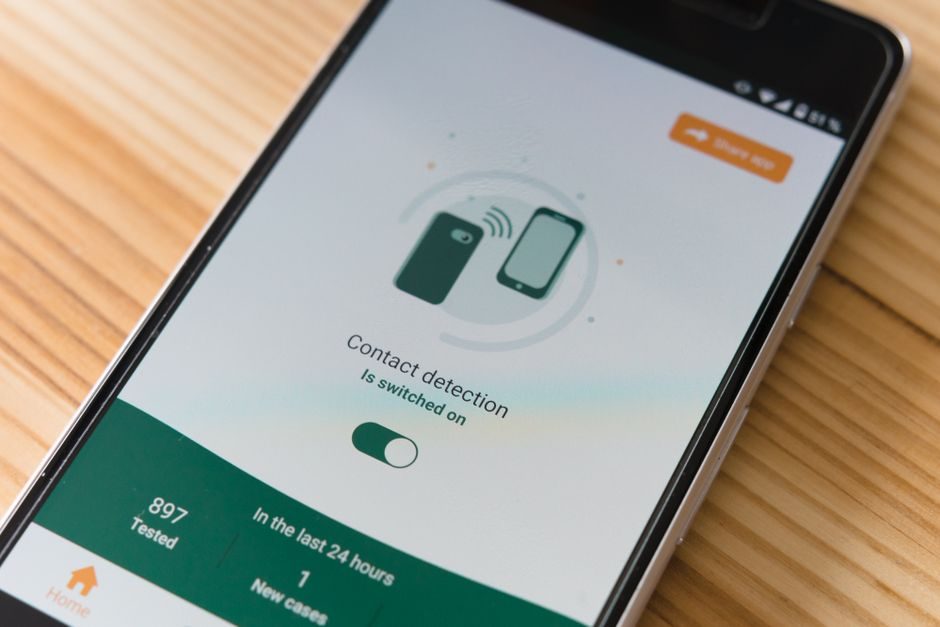
Smart alerts and dashboards
Use a combination of alerts for keywords, brands, and regulatory updates to avoid missing developments in fast-moving auto cycles. A dashboard can summarize new items by relevance, source, and confidence level.
Set thresholds for publication priority so routine updates don’t crowd breaking news. Prioritize official statements and confirmed reports over unverified social posts.
Regularly review your feeds to prune noise and adjust keywords as the auto landscape shifts, such as new models or regulatory changes.
- Set keyword alerts for make/models and legislation
- Create a weekly digest of key stories
- Exclude sources known for low reliability
Common traps and how to avoid them
Rushing versus accuracy
In auto news, speed can compromise accuracy. Take an extra moment to verify figures, such as recall numbers or sales estimates, before publishing.
Develop a routine for quick checks: source validation, date confirmation, and plausibility tests. A short delay often yields a more reliable update.
Communicate clearly when information is fluid and specify what remains unconfirmed to manage reader expectations.
- Verify numbers with official sources
- Avoid basing stories on anonymous tips
- Explain what is confirmed and what is pending
Frequently asked questions
What should readers expect from auto news coverage on Newportwire?Readers should expect timely, clearly sourced updates that distinguish between confirmed facts and ongoing reporting. The site aims to provide context, explain why a detail matters, and indicate when information may change. Every major claim should be traceable to a source or document.
How does Newportwire handle conflicting reports in auto news?When reports diverge, the site documents the discrepancy and notes what is known from each source. Editors seek independent confirmation and explain the reasoning behind the final presentation. Readers are shown the path to resolution and any remaining uncertainties.
Can readers customize auto news alerts for specific brands or topics?Yes. Alerts can be tailored to brands, models, and regulatory topics. Prioritize official statements and recall notices, then add secondary feeds for broader coverage. This helps readers stay informed without being overwhelmed by noisy updates.
What signals trustworthy auto news sources?Trustworthy sources provide primary documents, clear attributions, and verifiable details. Prefer outlets with transparent corrections policies and a track record of accuracy. Readers should see the chain from claim to source.
Next steps for readers and editors
Newportwire readers should approach auto news with a habit of checking sources and dates before accepting a claim as fact. Look for primary documents and official statements to confirm what you read, especially on recalls, safety, and regulatory action.
Editors should maintain a disciplined verification process, disclose uncertainties, and continuously refine alerts to balance speed with accuracy. The goal is reliable, usable news that helps readers understand what changes and why it matters.
Add Newport Wire as a preferred source on Google


