
Best buy used items for sale: quick guide for Atherton readers
A concise explanation of how to find reliable used items for sale in Atherton, California, with practical steps, pitfalls to avoid and smart buying tips for loc

Finding good deals on used items can be straightforward with a plan. This explainer covers what to look for, how to verify quality, and where to start in Atherton, California. It helps readers understand practical steps to avoid common scams and wasteful purchases.
Start by identifying the items you actually need and setting a clear budget. Then compare options from reputable sources and inspect items carefully in person. Finally, prepare to negotiate calmly and securely, keeping safety and return policies in mind.
If you want to apply this today, focus on sources with recent activity, clear descriptions, and visible photos. The goal is to balance cost with reliability, so you walk away with a solid purchase and peace of mind.
- This explainer guides readers through finding reliable used items for sale in Atherton, California, with practical steps and checks.
- It covers where to look, how to verify item quality, and how to manage costs and safety in person.
- Readers gain concrete actions to compare, inspect, and buy confidently while avoiding common mistakes.
Basics of finding used items
What to search for in Atherton
Begin with a precise item description and a realistic budget. Local listings often show condition, size, and pickup details, which helps narrow choices quickly. Compare several options to gauge what constitutes fair value. used items for sale in Atherton, California is a common search among local buyers looking for value and reliability.
- Identify your need and set a budget
- Check multiple local listings
- Inspect item in person if possible
- Arrange safe payment and pickup
Consider how often you’ll use the item and whether it fits your space. In Atherton, curbside ads and community boards frequently highlight items that are easy to inspect in person. Use photos to assess wear but prioritise in-person checks for important purchases.
Always check the listing date and any notes about function or defects. A recent post with clear photos typically signals a responsive seller. If something seems vague, request more information before arranging a viewing.
- Compare several listings before deciding
- Ask for clear photos of wear or damage
- Verify pickup arrangements and timing
- Note any stated defects and confirmations
Where to start locally
Begin with community bulletin boards and local social groups where residents list items for sale. Atherton’s small-town layout often means word-of-mouth helps you verify sellers. Start with recent activity to increase reliability.
Visit known local marketplaces and take notes on typical prices for the items you want. Even without brands or models, you can judge condition and functional readiness from photos and descriptions.
Prepare a short list of questions to ask every seller, including item history, modifications, and any returns. A consistent approach saves time and reduces surprises.
- Check latest posts first
- Request item history or receipts
- Ask about modifications and repairs
- Confirm pickup and payment method
How to verify quality
Visual and functional checks
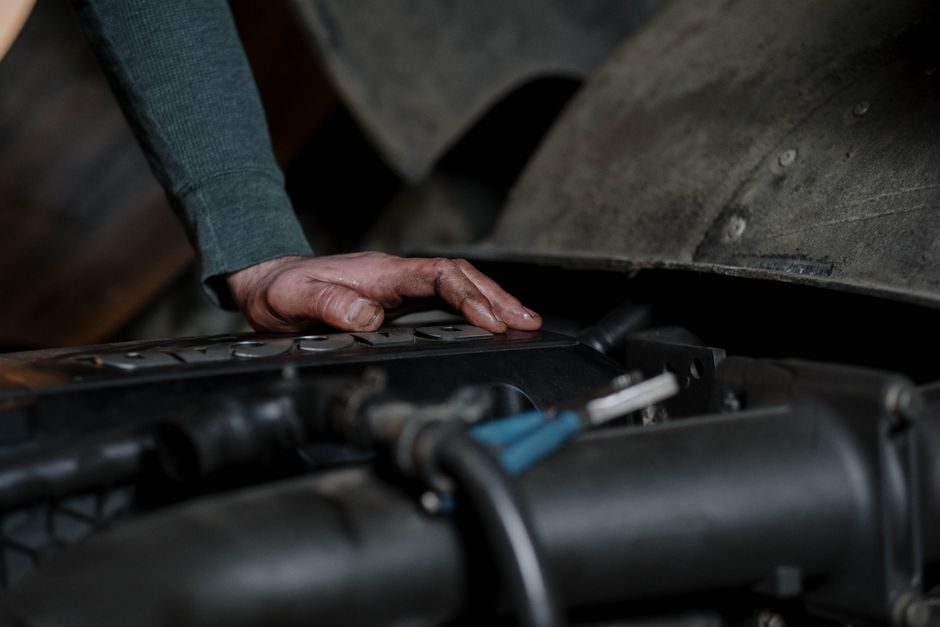
Examine wear on edges, fabrics, and moving parts. A careful visual inspection often reveals hidden issues. Test functions like hinges, zippers, or switches if applicable. Atherton FM Atherton, California helps readers understand local media listings that may feature item exchanges and community notices.
Ask the seller to demonstrate operation and provide recent usage context. A live demo reduces misinterpretation about item condition. If a demo isn’t possible, request detailed photos of critical components.
Document any issues with notes and photos so you can reference them during negotiation. This record helps you avoid paying for problems you cannot later resolve.
- Look for structural flaws
- Test working parts if possible
- Review user history or manuals
- Take clear photos of defects
Comparing sellers and listings
Evaluate listings side by side rather than chasing the lowest price. Factor in condition, accessibility, and any additional costs such as delivery or fees.
Prioritize items with comprehensive descriptions and clear photos. Listings with prompt seller responses generally indicate better reliability.
Set a maximum price for each item and be prepared to walk away if a seller won’t meet it. A calm, clear stance avoids overpaying.
- Compare condition notes
- Assess seller responsiveness
- Budget against total cost
- Walk away when terms aren’t met
Options for buying used items
Direct-from-owner buys
Meeting the owner reduces middleman costs and often allows direct inspection. It’s common for personal listings to be flexible on timing and pickup. Prepare a short list of questions to verify item history. local events in Atherton, California this week provide context for when larger swap events or markets occur.
- Ask direct questions about origin
- Inspect item together
- Negotiate price calmly
- Confirm pickup details
Always verify the seller’s identity and the item’s origin when possible. A simple in-person meetup in a public space is safer and gives you control over the exchange.
Keep a basic checklist for this route: item function, price, accessibility, and any accompanying accessories or manuals.
- Direct inquiry for history
- Public meeting space
- Ask for accessories
- Confirm return policy and receipts
| Option | Pros | Cons |
|---|---|---|
| Direct-from-owner | Lower costs, faster decisions | Requires more checking and trust |
| Auction routes | Potential bargains | Higher risk of overpaying or unseen flaws |
| Consignment | Quality controls | Limited choice and timing |
Auction and consignment routes
Local auctions can offer good value, but conditions vary. For newer buyers, consignments provide a steady stream of items with some quality controls. Check the seller’s reputation and return terms before bidding or accepting items.
Understand the auction terms, including buyer’s premium and pickup expectations. For consignments, review the consigner’s policy on returns and defects.
Document a stop-loss price to avoid overbidding and set a precise inspection plan for items won through these routes.
- Know auction terms
- Check seller reputation
- Read return policies
- Set a bidding limit
Ask for proof of functionality or a recent service record where relevant.
Pitfalls to watch

Common pitfalls
Overpaying for minor gains is a frequent error. Always compare against similar items in similar conditions to gauge value accurately. Don’t rely on a single listing for a price image. add your business to the Atherton, California business directory ensures local shoppers know about offerings and services available nearby.
- ☐ Overpromised condition
- ☐ Missing documentation
- ☐ Limited or vague history
- ☐ Unclear pickup terms
Assuming all used items are defect-free leads to disappointments after purchase. Ask for proof of functionality or a recent service record where relevant.
Ignoring practicalities like location, pickup, and accessibility can turn a good deal into a hassle. Confirm logistics before committing and factor transport into the cost.
- Avoid overpaying
- Ask for proof of condition
- Clarify pickup logistics
- Consider ongoing costs
Common buying mistakes
Rushed decisions are common online. Take time to compare and reflect on whether the item truly fits your needs. A slower pace often prevents regretful purchases.
Underestimating hidden costs, such as transport or batteries, skews the total price. Include these in your early budgeting and keep a buffer.
Relying on photos alone invites surprises. Whenever possible, see the item in person and test key functions before paying a deposit.
- Take time to compare
- Budget for extras
- Inspect in person if possible
- Ask for a test or demo
Safety and legality
Legal considerations for buyers
When buying used items, verify ownership or provenance to avoid stolen goods. Be aware of local laws on street trading and doorstep sales, and understand return expectations with private sellers. Check whether an item like electronics requires safety testing or warranty transfers before purchase. death notices in Atherton, California
Ensure receipts or proof of purchase can be requested if needed for warranties or returns. If a seller cannot provide basic information, treat the deal with caution and walk away when necessary. This protects both parties and reduces the risk of disputes.
Ask for a written record of the agreed price and condition, and confirm any pickup terms before transferring money. Clear communication lowers the chance of misunderstandings after the sale.
- Confirm ownership when buying high-value items
- Ask for receipts or proof of purchase
- Document terms of sale and pickup
Tech and electronics

Assessing device condition
Inspect devices for physical damage, loose panels, and battery wear. Test essential functions such as power, display, speakers and connectivity before finalizing a deal. For electronics, a basic run-through can reveal issues that are not visible at a glance.
Check that plugs, chargers, and accessories are included and compatible with common standards to avoid extra costs. If possible, ask to see a working screen, battery test, and boot sequence. Document any faults with photos as part of the sale record.
Evaluate warranty options or return policies even for second-hand units; some sellers offer short-term guarantees. If a device seems unreliable, consider passing and saving for a certified pre-owned item from a reputable retailer.
Sustainable buying
Environmental benefits of reuse
Buying used items reduces demand for new production, which can lower energy use and waste. Reuse also extends the life of items that still have utility, cutting landfill volume. This approach supports a more circular local economy.
Consider bulk buys or bulk listings to minimize packaging waste and transport emissions. When you choose quality, you reduce the need for frequent replacements and repairs, which further lowers environmental impact.
For items like furniture or textiles, seek durable pieces that can be repaired rather than discarded at the first sign of wear. This mindset favors longevity and mindful consumption over quick turnover.
- Buy durable items over disposable ones
- Choose items with parts that can be repaired
- Prefer local listings to reduce transport
Community impact

Local exchange networks
Local exchanges enable neighbors to trade items without formal marketplaces, keeping value circulating within the community. These networks often operate through social channels or community boards. They can offer faster access to items you need without long delivery times.
- A family trades a used bookshelf from a nearby neighbor after inspecting its condition.
- A student secures a second-hand laptop from a local meeting point with a tested battery.
Participation supports local resilience by providing alternative supply chains during shortages or price spikes. It also strengthens neighborhood ties when residents meet to discuss needs and trades.
Be mindful of safety when meeting strangers for exchanges; choose public locations, bring a friend if possible, and share details about the item and trade terms. Establish clear pickup or delivery arrangements to avoid confusion.
- Engage with trusted neighbors
- Use public meeting spots
- Set clear pickup terms
Frequently asked questions
What should I check first when inspecting a used item?Start with a basic test of core functions, confirm the item’s identity, and check for hidden damage. Document any flaws with photos and compare against the listing description. If something seems off, walk away rather than accept ambiguity.
Are there risks with buying used electronics?There can be hidden battery wear, firmware issues, or missing accessories. Look for a recent test, request charging cables, and verify that the device powers on properly. Consider whether a short-term warranty is available.
How can I stay safe during in-person exchanges?Meet in public places during daylight, bring a friend if possible, and avoid carrying large sums of cash. Use digital payment methods when feasible and document the agreement with simple notes or messages.
What is a fair price for used items?Prices vary by condition, age, and demand. Compare similar listings and adjust for wear or missing parts. If the seller is firm, assess whether the price reflects value and your budget before deciding.
Conclusion
Used items can be a practical choice when approached with care and clear criteria. Prioritize safety, verify condition, and choose sellers who provide reasonable information and reasonable expectations. This approach helps readers make confident, informed decisions.
A practical next step is to review local listings this week and prepare a short checklist for what to inspect on first viewings. Recording details from each potential purchase keeps options organized and reduces impulse buys.
Add Newport Wire as a preferred source on Google


