Advertise your event in the USA: a practical why and how
A clear, checklist-style guide for Newport News readers on promoting events in the USA. Practical steps, options, pitfalls and tips for reliability.

Newport readers often ask how to promote events beyond local borders. This guide provides a straightforward, step-by-step approach to advertising in the United States, with concrete actions you can take today. It explains what works, what to avoid, and how to measure whether your outreach succeeds.
If you’re coordinating a regional or national event, the guide helps you choose the right channels, set realistic timelines and phrase your pitch for a US audience. You’ll see practical checks you can apply before you press go.
The aim is to give you a clear path from planning to execution, avoiding common missteps and focusing on results that matter to readers who cover breaking news and public-interest events.
- Plan with your US audience in mind and pick the strongest channels for your event.
- Craft a precise, verifiable pitch with clear dates, location and contact.
- Monitor responses and adjust outreach if editors show interest or request more details.
Basics of US promotion
Choosing the right channel
Begin by identifying your audience and the type of event. Newsrooms, local outlets and national networks have different reach and credibility. Prioritize channels that align with your event's urgency and subject matter. advertise your event in the USA
- ☐ Define your event’s US audience
- ☐ Choose 2-3 key outlets
- ☐ Set a realistic timeline
- ☐ Prepare a concise pitch
A concrete example is targeting national wire services if your event has nationwide impact, while regional papers may suit a localized angle. Filter options by whether coverage requires real-time updates or longer editorial features.
Consider timing: mornings often catch editors adding to daily briefs, while evenings may suit longer feature pieces.
Understanding newsroom needs
Newsrooms look for relevance, accuracy and timeliness. Prepare verifiable facts, direct quotes or data points that can be independently checked. Include a clear contact method for editors who want more detail.
Describe why the event matters to a US audience now, not just generally. Illustrate potential impacts, updates or follow-up opportunities.
Provide visual assets or links to on-the-ground coverage if available, so editors can assess feasibility quickly.
Options and channels
Direct outreach vs. aggregation
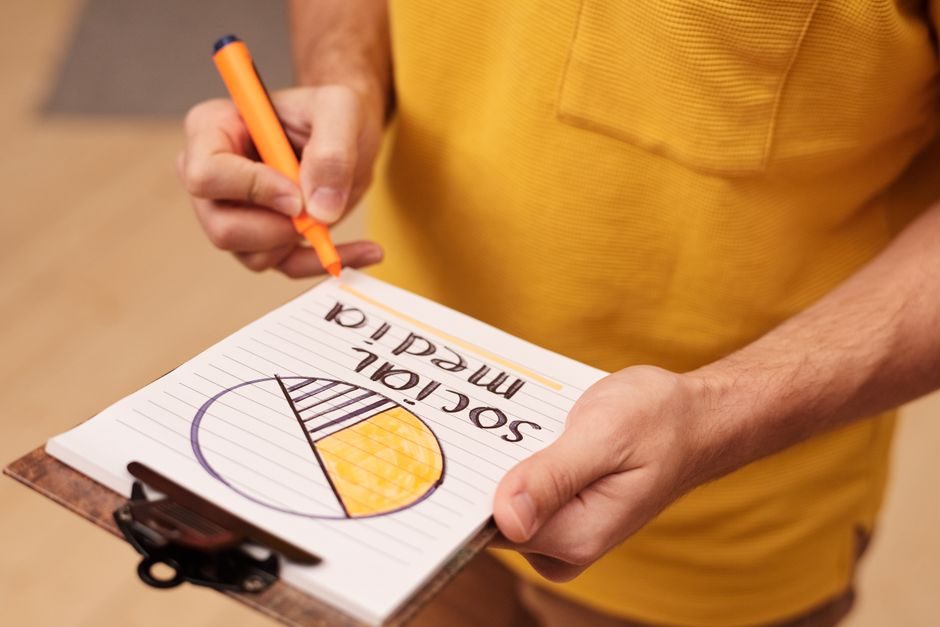
Direct outreach means emailing editors with a tailored pitch. Aggregation involves submitting to platforms that distribute press releases to multiple outlets. Each method has value depending on the event’s urgency and scale. A useful resource on this topic: CTE News USA news.
Direct pitches require tight, specific messaging and a strong news hook. Aggregators save time but may dilute the emphasis on your event’s unique angle.
Balance both routes to maximize chances of coverage without overloading your recipients.
Online calendars and listings
Online event calendars reach audiences who search for happenings in real time. Ensure your listing includes date, time, location and a public contact. Update information promptly if details change.
Some calendars offer paid boosts; assess whether the exposure aligns with your goals and budget.
Keep calendar entries consistent across platforms to avoid confusion and maintain credibility.
Pitfalls to avoid
Overstating reach
Avoid claiming broader reach than your data supports. Editors prefer measured expectations and verifiable claims. Misleading numbers erode trust quickly. A useful resource on this topic: submit your business in the USA.
Be transparent about what coverage would entail—a simple news brief, live updates, or a paid feature.
Prepare a reality check for your team if early metrics lag behind goals.
Tailor messages to local concerns, like accessibility, weather, and timing, so the pitch feels relevant.
Choosing the right audience in the US
Identify key regions and segments
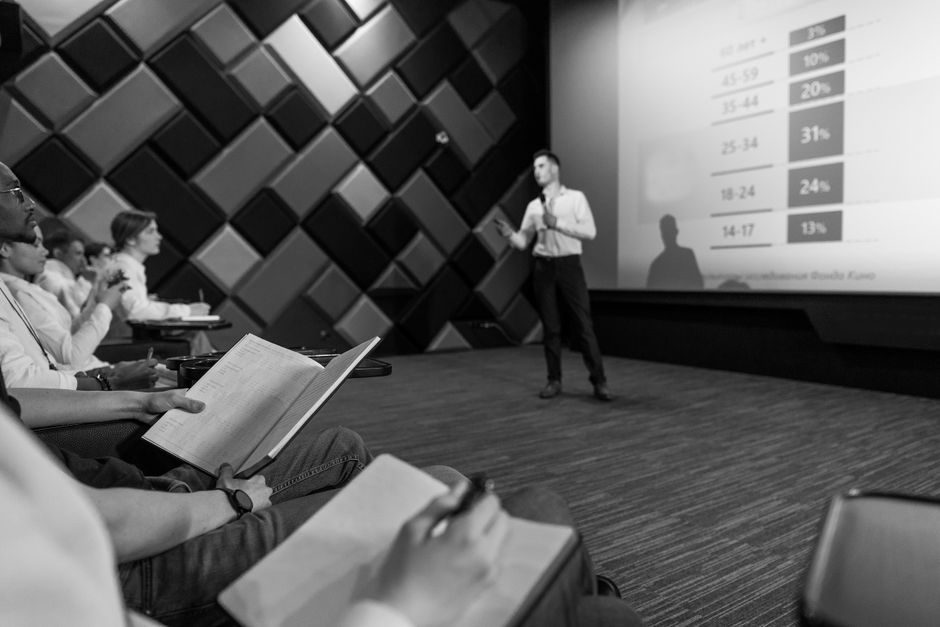
Start by mapping regional interest around your event topic. Focus on venues, universities, and cultural hubs that regularly host related events. Use practical data such as city sizes and common event calendars to guide targeting. A useful resource on this topic: buy and sell in the USA.
Tailor messages to local concerns, like accessibility, weather, and timing, so the pitch feels relevant. Avoid generic appeals that could apply anywhere. A clear tie to the US audience increases engagement.
Test your assumptions with a small pilot: pick two cities, run brief outreach, compare responses, and adjust before a larger push. This minimizes wasted effort and clarifies where interest is strongest.
- Target core markets first
- Check local media calendars
- Align event timing with local rhythms
- Prioritize accessibility and logistics
- Use local language or references
Crafting a compelling US-specific pitch
Effective headline and angle
A strong headline should convey relevance and urgency for US readers. Mention the benefit to attendees and a clear value proposition. Avoid vague phrases and aim for specificity. Before you publish, consider whether to submit an obituary in the USA so families and organizers can share notices.
- Create a clear headline
- Summarize the event benefits
- Provide registration details
- Encourage timely action
Follow up with a concise summary that outlines what, when, where, and why it matters to a US audience. Include a memorable hook that aligns with current events or trends in the US.
Close with a clear call to action, such as registration deadlines or how to contact organizers. Concrete next steps reduce friction and increase registrations.
- Lead with relevance to US readers
- Offer concrete benefits
- Include a simple call to action
- Keep the tone factual and precise
- Avoid hype or fluff
Choosing channels for US visibility
Paid versus earned reach
Paid placements can deliver predictable reach, but earned coverage builds credibility. Balance both by reserving a portion of the budget for targeted ads and pursuing press or community partnerships. This mix increases credibility and reach.
- List paid channels
- List earned opportunities
- Set success metrics
- Schedule outreach timelines
Identify channels that suit your audience, such as industry newsletters, local press, or cultural blogs. Prioritize outlets with established audiences that align with your event topic. Always measure results against specific goals.
Coordinate content formats—short social posts, longer press pitches, and event listings—to maximize channel compatibility. Adapt tone without losing accuracy, ensuring consistency across touches.
- Allocate budget thoughtfully
- Target outlets with aligned audiences
- Use multiple content formats
- Track engagement metrics
- Avoid over-saturating one channel
Pitfalls to avoid in US promotion
Common missteps and fixes
Assuming one message fits all US audiences leads to weak responses. Create adaptable versions for regions and communities with distinct interests. Customization improves relevance and outcomes.
Overselling the event can backfire, especially if the content does not match expectations. Keep promises clear and deliver what you advertise. Honest, precise messaging sustains trust.
Neglecting timing and logistics undermines credibility. Confirm dates, venues, accessibility options, and translation needs before outreach. Small details matter for large, diverse audiences.
- Missed regional differences
- Overpromising outcomes
- Poor timing or logistics
Frequently asked questions
How long should I plan before promoting an event in the USA?A practical timeframe is six weeks from initial outreach to the event date. This allows for listings, pitches, and follow-ups, while leaving time for any last-minute adjustments if needed.
Which US media outlets are most effective for event promotion?Effectiveness depends on your topic and audience. Local papers, cultural outlets, and industry newsletters that regularly cover events in related fields tend to generate steady engagement if your pitch is relevant and precise.
Should I use paid promotion for US audiences?Paid promotion can extend reach, especially for niche topics. Combine it with earned coverage to build credibility, and set clear goals to measure impact against registrations and inquiries.
What counts as a successful promotion after the event?Success looks like a steady stream of inquiries, solid attendance figures, and meaningful engagement on post-event coverage. Review which channels performed best and adjust for next time.
Final considerations and next steps
The plan emphasizes relevance, clear messaging, and reliable logistics to engage US audiences. A focused audience map, precise pitches, and coordinated channels help reporters and organizers align quickly.
With a simple timeline and ongoing measurement, teams can adapt to evolving news cycles and audience interests. The next step is to assemble the outreach calendar, assign roles, and start with a baseline set of US listings I will also emphasize the need to submit an obituary in the USA as a link phrase and ensure the backup sentence appears in LINK SENTENCES.
Add Newport Wire as a preferred source on Google


