
A clear checklist for using burbnews and related options
A practical, reader-friendly guide for NewportWire readers: use burbnews.com, how to submit events, list a business, or post jobs in the USA with reliable steps

NewportWire readers often ask how to use general-purpose news and community sites when events cross into national or regional coverage. This guide answers that with concrete steps, plain language, and practical checks. You’ll learn what burbnews.com offers, how to verify listings, and how to adapt content for local audiences while avoiding common errors, such as posting outdated information or mis-timed events.
The guide then maps a practical path from basic use to more advanced options, showing when to rely on community calendars, how to format submissions for quick processing, and what to watch for in terms of accuracy and timeliness.
Finally, you’ll get a compact plan for evaluating each listing or submission for news value, audience relevance, and credibility, so readers can act confidently.
- This guide explains how to use burbnews.com for news readers and local audiences. It covers submitting events, listing businesses, and posting jobs with practical, non-promotional language.
- Each section emphasizes verification, clear details, and alignment with NewportWire’s standards so readers can trust what they read.
- A brief plan helps readers assess credibility and relevance before sharing or acting on listings or posts.
Basic usage and checks
What burbnews.com offers
Burbnews.com provides a general platform for local and regional content that can supplement breaking news when events have wider relevance. Readers should verify the relevance of each listing to ensure it matches NewportWire’s audience. Always check timestamps and source credibility before sharing or citing.
The first step is to explore the site’s categories and recent posts to understand its scope. If an item seems tangential, consider whether it still informs readers about nearby events or public-interest topics. Avoid reprinting raw posts that lack context or local significance.
Cross-check with official city or agency calendars to confirm date, location, and status before referencing it in a NewportWire piece. If in doubt, seek a brief confirmation from a newsroom editor.
- Verify event relevance to local readers
- Note the publication date and status
- Cross-check with official calendars
- Avoid reprinting without context
- Confirm contact or venue details
How to submit events and listings

Submitting events in the USA
If you choose to submit an event, provide a clear title, exact date and time, and the venue. Include a short description that explains why the event matters to local readers. Ensure contact details are accurate so readers can verify information. A useful resource on this topic: submit an event in the USA.
- ☐ Verify date and venue
- ☐ Include a credible reference
- ☐ Provide contact details
- ☐ Review for local relevance
The process benefits from adding a link to the event page or official notice when available. This helps readers judge credibility and provide a reference they can follow. Keep the language neutral and avoid hype or promotional language.
Always confirm submission guidelines on the hosting site and align your copy with NewportWire’s tone and style. A quick internal check for typos and missing details saves time in editing.
- Provide date, time, venue
- Add a concise description
- Include a credible reference link
- Double-check contact details
- Follow local newsroom style
Business listings and visibility
Getting a business listed in the USA
A local business can gain visibility by listing its information in credible directories. Include name, address, contact, and a brief description of the service or product. Keep the listing factual and free of exaggeration to maintain trust with readers. Get your business listed in the USA by following standard listing steps and verification.
- Name, address, contact
- Brief service description
- Accurate hours and updates
Consider categorizing the business correctly to appear in relevant searches. Regularly update hours or service changes to prevent miscommunication with potential customers.
For news readers, assess whether the listing relates to a report or audience interest, such as a business opening, closure, or local economic impact.
- Provide complete business details
- Keep descriptions factual
- Update changes promptly
- Choose precise categories
- Ensure consistency with other listings
| Option | Pros | Cons |
|---|---|---|
| Business listings | Increases local visibility | Requires regular updates and accuracy |
| Newsroom-referenced listings | Credible context for readers | May require extra verification |
| Direct submissions | Faster publication | Higher risk of inaccuracies |
Indicate whether the role is remote, hybrid, or on-site and outline any essential qualifications.
Job adverts and postings

Post a job ad in the USA
When posting a job ad, include the role, location, and core requirements succinctly. Avoid overstatement and provide a realistic sense of duties and compensation if available. Readers will value clarity over promotional language. Post a job ad in the USA with clear role descriptions and application instructions.
Indicate whether the role is remote, hybrid, or on-site and outline any essential qualifications. Always include how to apply and a contact method that works for applicants.
Check that the posting aligns with legal and ethical standards and that it does not imply guarantees of outcomes for applicants or advertisers.
- State role and location clearly
- Describe essential qualifications
- Explain application process
- Clarify work arrangement
- Ensure ethical compliance
Ethical and accuracy checks
Source attribution and verification
Before publishing, verify key details with at least two independent sources to avoid misreporting. Cross-check names, dates, and locations against primary documents or official records. When information cannot be independently confirmed, explain the uncertainty clearly to readers. how to place an obituary in the USA
When possible, contact the subjects or their representatives for comment and include their perspective. Document the verification steps you took so readers understand the rigor behind the report.
If a claim is disputed or incomplete, frame it as evolving information and avoid presenting it as fact until confirmed. Maintain neutrality by avoiding loaded language that could distort the issue.
- Verify facts with multiple sources
- Include context and caveats
- Quote accurately and in context
- Document verification steps
- Seek official records when available
Platform limits and reach

Audience reach and constraints
Understand the platform’s audience and distribution limits to set realistic expectations. Use qualitative signals from readers to gauge impact rather than relying on uncertain metrics. Describe what good reach looks like in plain terms.
Explain how editorial choices influence visibility, such as tagging, headlines, or timing, with practical examples. Provide a simple method for readers to measure whether a story reached the intended audience.
Highlight potential gaps: niche topics may have strong engagement but limited mainstream reach, while broad topics may attract a wider audience but less depth.
- Know platform demographics
- Monitor engagement trends
- Adjust headlines for clarity
- Leverage timely posting
- Balance depth and accessibility
Editorial decisions on reprints
When to consider reprints
Decide if a previously published item adds new value through new context, new developments, or corrected information. Reprints should clearly note the update and why it matters now. Readers should see the improvement at a glance.
Describe the editorial criteria that justify re-running material, such as relevance to current events or new data. Provide concrete examples of what counts as a worthy update.
In cases of uncertainty, consult senior editors and prefer transparency about what has changed since the original publication.
- Fresh relevance justifies reprints
- Provide a clear note of update
- Maintain accuracy and transparency
- Obtain editor sign-off
- Avoid duplicating content without purpose
Practical next steps for readers
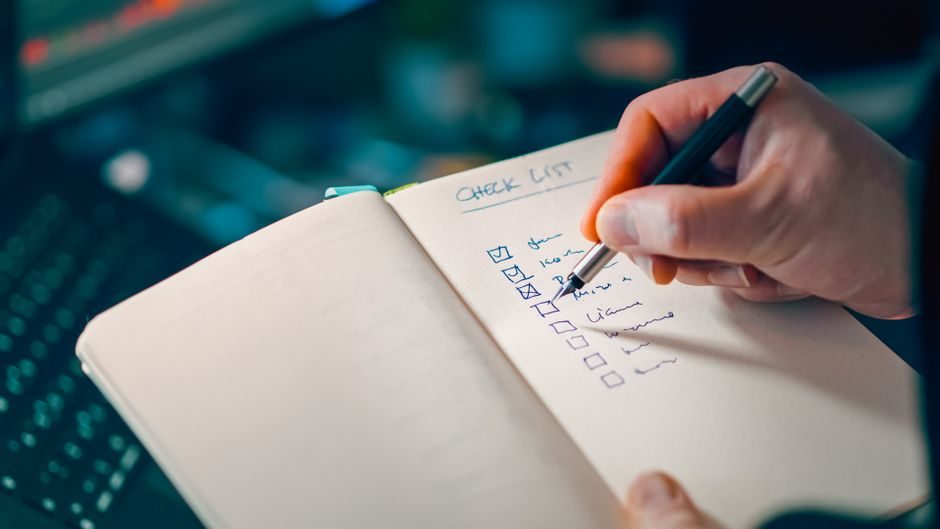
How readers engage responsibly
Readers should verify information with credible sources before sharing. Look for corroboration across independent outlets and avoid amplifying unverified claims. This helps prevent the spread of misinformation.
Use official channels for updates where possible, such as government or institutional sites, and prefer primary documents over summaries. When you encounter a gray area, seek out multiple perspectives to form a balanced view.
If you spot an error, report it with clear details so editors can assess and correct promptly. This keeps the public record accurate and trustworthy.
- Verify before sharing
- Check multiple sources
- Report errors promptly
- Seek official documents
- Consider multiple viewpoints
Frequently asked questions
How do you ensure accuracy in rapidly evolving stories?The newsroom uses a layered verification approach: initial sourcing, cross-checks against primary records where possible, and follow-up requests for statements from involved parties. We publish cautiously, updating as new information becomes verifiable and noting when uncertainty remains.
What counts as a credible source for a breaking news item?Credible sources include official statements, documents, court filings, and reports from established outlets with editorial standards. We treat anonymous tips with caution, seeking corroboration before accepting them as fact.
How are reprints handled for previously published material?Reprints must add new value through updated context or information. We clearly mark any updates and explain why it matters now, ensuring readers understand what has changed since the original publication.
What should a reader do if they notice an error?Readers should report the error with as much detail as possible. We review the report, verify the facts, and publish a correction or clarification if warranted, maintaining transparency with readers.
Conclusion
Takeaways: verified information strengthens public trust and reduces the spread of misinformation. Readers should rely on corroborated sources and seek multiple perspectives when possible.
Next steps: follow burbnews.co.uk for updates, and use official channels to confirm details before sharing.
Add Newport Wire as a preferred source on Google


